Safety Considerations for Commercial Concrete Sawing and Removal
People seeking commercial concrete sawing and removal often want safe, efficient services, and local contractors can ensure proper techniques and safety measures are followed.
If you are considering commercial concrete sawing and removal, understanding safety considerations is essential for a successful project. Property owners in the area often explore this topic to ensure that their renovations or demolitions proceed smoothly without unexpected issues. Proper safety planning helps prevent accidents, protect surrounding structures, and ensure the work complies with industry standards. By learning about best practices and potential hazards, property owners can make informed decisions when hiring local contractors who specialize in concrete sawing and removal services.
Engaging with experienced service providers can make a significant difference in managing safety risks effectively. Local contractors who focus on commercial concrete sawing and removal bring practical expertise to every job, helping to minimize hazards and ensure safe execution. Whether tackling a small repair or a large-scale demolition, understanding safety considerations can help property owners feel more confident in the process. Keep reading to discover key safety aspects and how local pros can support a secure, efficient project.
- Concrete Cutting in Commercial Buildings - When precise cuts are needed around existing structures, local contractors prioritize safety considerations for commercial concrete sawing and removal to prevent damage and ensure worker safety.
- Parking Garage Renovations - During upgrades or repairs, service providers implement safety measures to manage dust, debris, and structural integrity when performing concrete removal tasks.
- Industrial Facility Demolition - Contractors handling large-scale demolition focus on safety considerations for commercial concrete sawing and removal to protect workers and surrounding areas from hazards.
- Sidewalk and Curb Repairs - For city infrastructure updates, local pros follow safety protocols to minimize risks associated with cutting and removing concrete in busy public spaces.
- Foundation Modifications - When altering or enlarging building foundations, service providers address safety considerations for commercial concrete sawing and removal to ensure stability and worker protection.
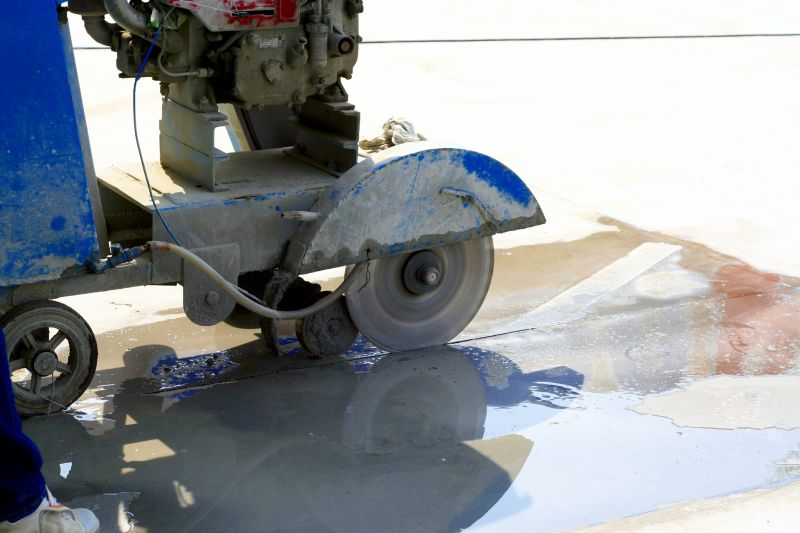
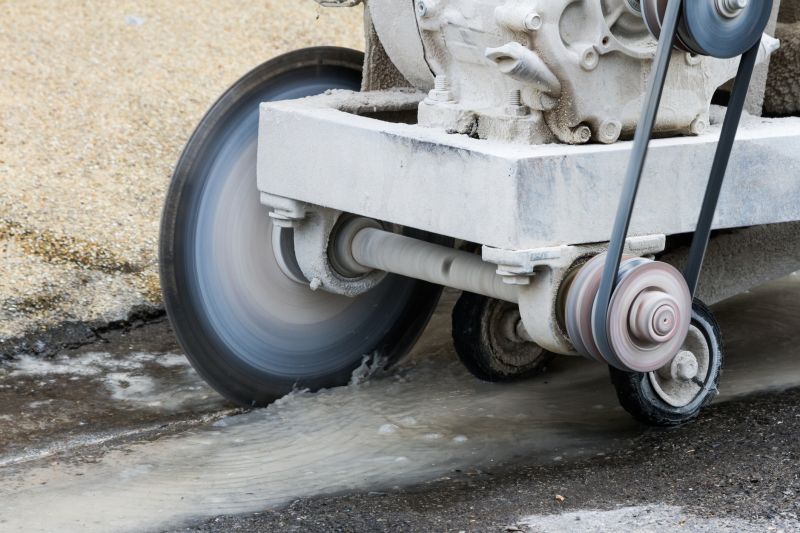
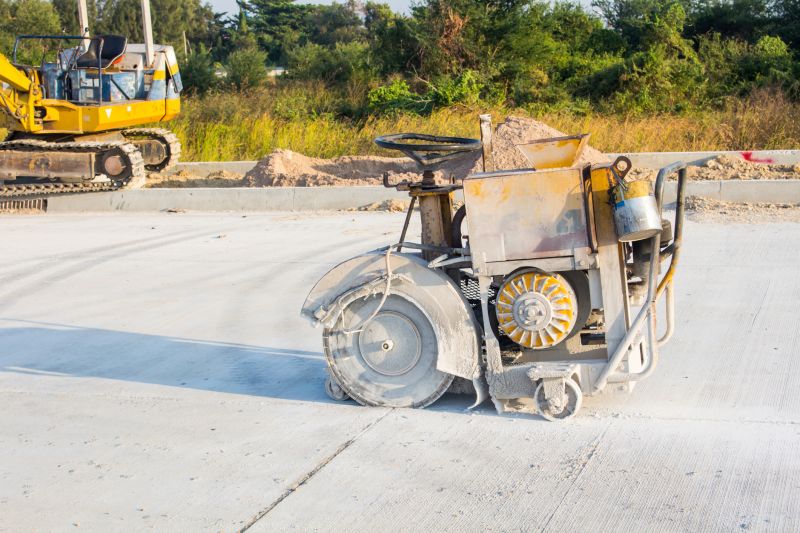
When people search for safety considerations for commercial concrete sawing and removal, they are often looking to understand the potential hazards involved in these specialized tasks. This topic typically comes up during planning phases for construction, renovation, or demolition projects where concrete needs to be cut or removed efficiently and safely. Property owners, project managers, or contractors may be concerned about the risks of injury, property damage, or environmental hazards that can arise if proper safety protocols are not followed. They want to ensure that the work is performed without incident, minimizing safety risks for workers and surrounding structures.
These safety considerations are directly related to a range of problems and plans associated with concrete removal projects. For instance, projects that involve cutting through existing structural elements, underground utilities, or load-bearing walls require careful planning to avoid accidental damage or safety breaches. Proper safety measures also help prevent the release of dust, debris, or harmful particles into the environment, which can pose health risks. Additionally, safety considerations influence the choice of equipment and techniques used, as well as the sequencing of work to reduce hazards. When these factors are integrated into project planning, the likelihood of accidents or delays diminishes, leading to smoother execution.
The types of properties where commercial concrete sawing and removal typically take place vary widely. These include commercial buildings such as warehouses, retail centers, and office complexes, where structural modifications are often necessary. Industrial facilities with heavy machinery or storage areas may also require concrete cutting for maintenance or upgrades. In some cases, parking garages or transportation hubs undergo concrete removal to facilitate utility upgrades or expansion efforts. Each property type presents unique safety challenges, such as working near sensitive equipment or managing confined spaces, which is why engaging experienced local service providers is essential. They understand the specific safety protocols needed for different property types and can help ensure the work proceeds without incident.
Understanding safety considerations for commercial concrete sawing and removal helps property owners and project teams plan effectively for complex projects. Local pros bring expertise in managing hazards related to dust control, equipment operation, and structural stability. They are familiar with the safety protocols necessary to protect workers and the surrounding environment, especially in properties with existing utilities or sensitive features. By partnering with experienced service providers, clients can be assured that safety is prioritized throughout the project, reducing the risk of accidents and ensuring compliance with safety standards. This approach ultimately supports a safer work environment and the successful completion of concrete removal or cutting tasks on any property.
Asphalt Cutting Projects - Local contractors specializing in asphalt cutting often utilize similar saws and planning techniques as those used in concrete sawing, emphasizing safety considerations for precise and secure operations.
Demolition and Structural Removal - Demolition projects require careful planning and specialized tools comparable to concrete removal, with safety measures critical for protecting workers and surrounding structures.
Industrial Floor Cutting - Service providers handling industrial floor cutting employ similar equipment and safety protocols to ensure accurate cuts and minimize hazards in large-scale environments.
Brick and Masonry Cutting - Masonry cutting projects involve tools and safety practices that align closely with concrete sawing, focusing on precision and worker safety during detailed cutting tasks.
Utility and Pipe Excavation - Utility installation or repair projects often involve cutting through concrete or asphalt, requiring careful planning and safety considerations similar to commercial sawing operations.
Parking Garage Renovation - Contractors working on parking garage upgrades or repairs utilize sawing and removal techniques that demand strict safety protocols to handle complex concrete structures safely.
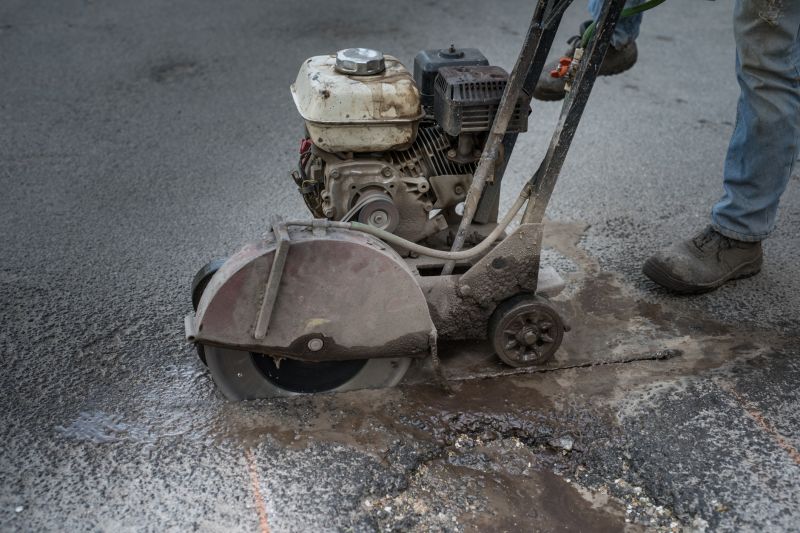
When evaluating service providers for commercial concrete sawing and removal, it is essential to consider their experience with similar projects. Contractors who have handled jobs comparable in scope and complexity are more likely to understand the specific safety considerations involved. This familiarity can help ensure that the work is performed efficiently and with proper attention to safety protocols. Homeowners should inquire about a contractor’s past projects, seeking details about the types of surfaces they have worked on and any unique challenges faced, to gauge their ability to manage safety risks effectively.
Clear written expectations are a key factor in selecting the right local contractor for concrete sawing and removal. A detailed scope of work, including safety measures, equipment used, and procedures for potential hazards, helps establish a mutual understanding of responsibilities. Having these expectations documented can prevent misunderstandings and ensure safety considerations are prioritized throughout the project. Homeowners are encouraged to review proposals carefully, asking for clarification on safety protocols and how the contractor plans to address potential risks before work begins.
Reputable references and good communication are vital when comparing local service providers. References from previous clients can offer insights into the contractor’s adherence to safety standards and their ability to manage safety considerations during complex projects. Additionally, contractors who communicate clearly and promptly about safety procedures, project details, and potential concerns demonstrate professionalism and a commitment to safety. Engaging with providers who maintain open lines of communication helps ensure that safety remains a shared priority from initial planning through project completion.
Property owners often search for safety considerations for commercial concrete sawing and removal when they are planning practical projects around their homes and businesses. Local pros provide Commercial Concrete Sawing and Removal services for everyday jobs and straightforward project options.
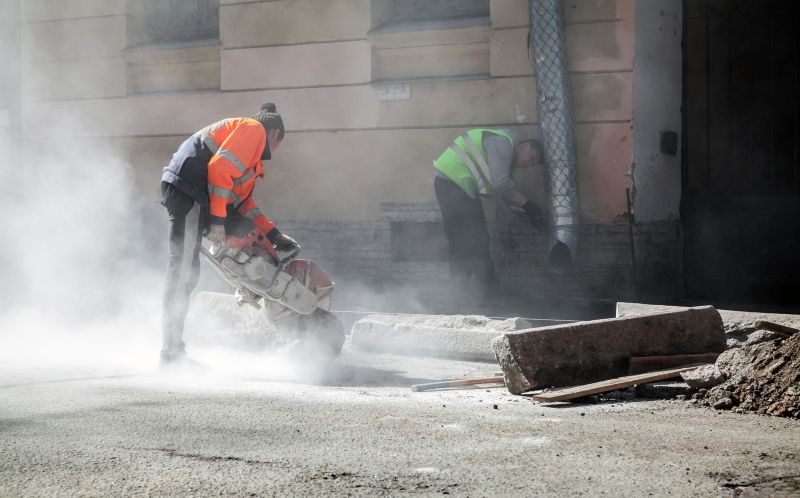

Safety considerations for commercial concrete sawing and removal are essential for property owners undertaking renovation or construction projects. These projects often involve cutting through existing concrete surfaces, which can pose risks such as flying debris, dust inhalation, and accidental damage to surrounding structures or utilities. Property owners in the area might seek out local contractors who prioritize safety protocols to help mitigate these hazards, ensuring the work is performed efficiently while minimizing potential accidents or property damage.
When choosing service providers for concrete sawing and removal, it's important to consider their approach to safety during everyday project situations. Experienced local contractors typically use specialized equipment and techniques designed to control dust, reduce noise, and prevent structural issues. This focus on safety helps protect everyone on-site and ensures the project progresses smoothly. Property owners can benefit from consulting with local pros who understand the importance of safety considerations for commercial concrete sawing and removal, making their projects safer and more manageable.
What safety precautions should be considered during commercial concrete sawing and removal? It is important to ensure proper use of personal protective equipment, such as eye and respiratory protection, and to follow safety guidelines to prevent injuries during the process. Local contractors typically adhere to standard safety practices to protect workers and surrounding areas.
How do local service providers ensure safety when handling heavy concrete removal equipment? They use well-maintained machinery operated by trained personnel, implement safety barriers, and follow protocols to minimize risks associated with heavy equipment operation and debris management.
Are there specific safety considerations for working near existing structures during concrete removal? Yes, contractors assess structural stability and take measures to prevent damage or collapse, ensuring the safety of workers and nearby property during the sawing and removal process.
What safety measures are recommended for managing dust and debris during concrete sawing? Local pros often use dust suppression systems and containment methods to control airborne particles and debris, reducing health hazards and maintaining a clean work environment.
How can hiring experienced local contractors contribute to safety during concrete sawing and removal? Experienced service providers are familiar with safety protocols, proper equipment handling, and risk mitigation strategies, which help ensure the job is performed safely and efficiently.
Proper equipment handling - Ensuring that all tools and machinery are operated correctly helps prevent accidents during concrete sawing and removal projects. Local contractors can provide guidance on safe operation practices.
Site assessment and preparation - Conducting a thorough evaluation of the work area allows property owners to identify potential hazards before beginning sawing and removal tasks. Service providers can assist with safe site planning.
Use of personal protective equipment - Wearing appropriate PPE such as goggles, masks, and gloves is essential for safety during concrete cutting. Local pros often recommend suitable gear for different project types.
Managing dust and debris - Controlling dust and debris minimizes health risks and keeps the work environment safe. Contractors can implement safety measures like dust suppression and proper waste disposal.
If you are thinking about safety considerations for commercial concrete sawing and removal for a property, this guide is meant to help you understand this topic, the typical project types, and how different options might fit your plans.
When you are ready, you can use the quote form on this page to share a few details about your project. From there, local pros can review the basics and follow up with options that match what you have in mind.